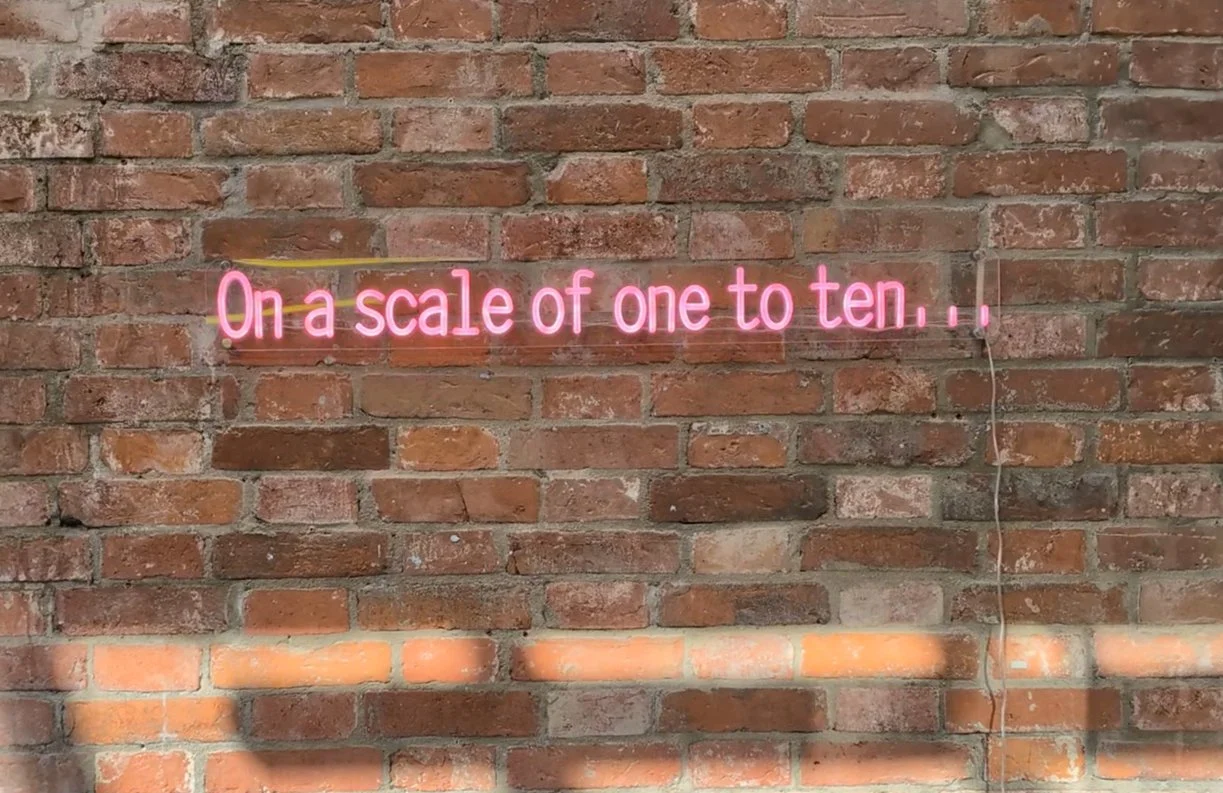
Artist Statement
My artistic research asks how a practice of expanded drawing and painting can explore the multifaceted experience of trauma-induced mental illness. Rejecting traditional figurative narratives, I rely on phenomenological methods of expressive abstract mark-making in which the physicality of the process is key.
The dialogue between sound and drawing is an ongoing exploration, as a conduit to time and place and to search for representations of the female experience.
Rewind & Recover
short film (2026)
A short film exploring the therapeutic process of Rewind Hypnotherapy, where the emotional impact of trauma is re-wired through disassociation, moving distressing memories from the first to third person viewpoint. In this instance, the trauma is represented by a one-take drawing event, responding to a soundtrack of music chosen to trigger specific memories of mental breakdown.
In collaboration with Adrian Storey https://www.uchujin.co.uk/
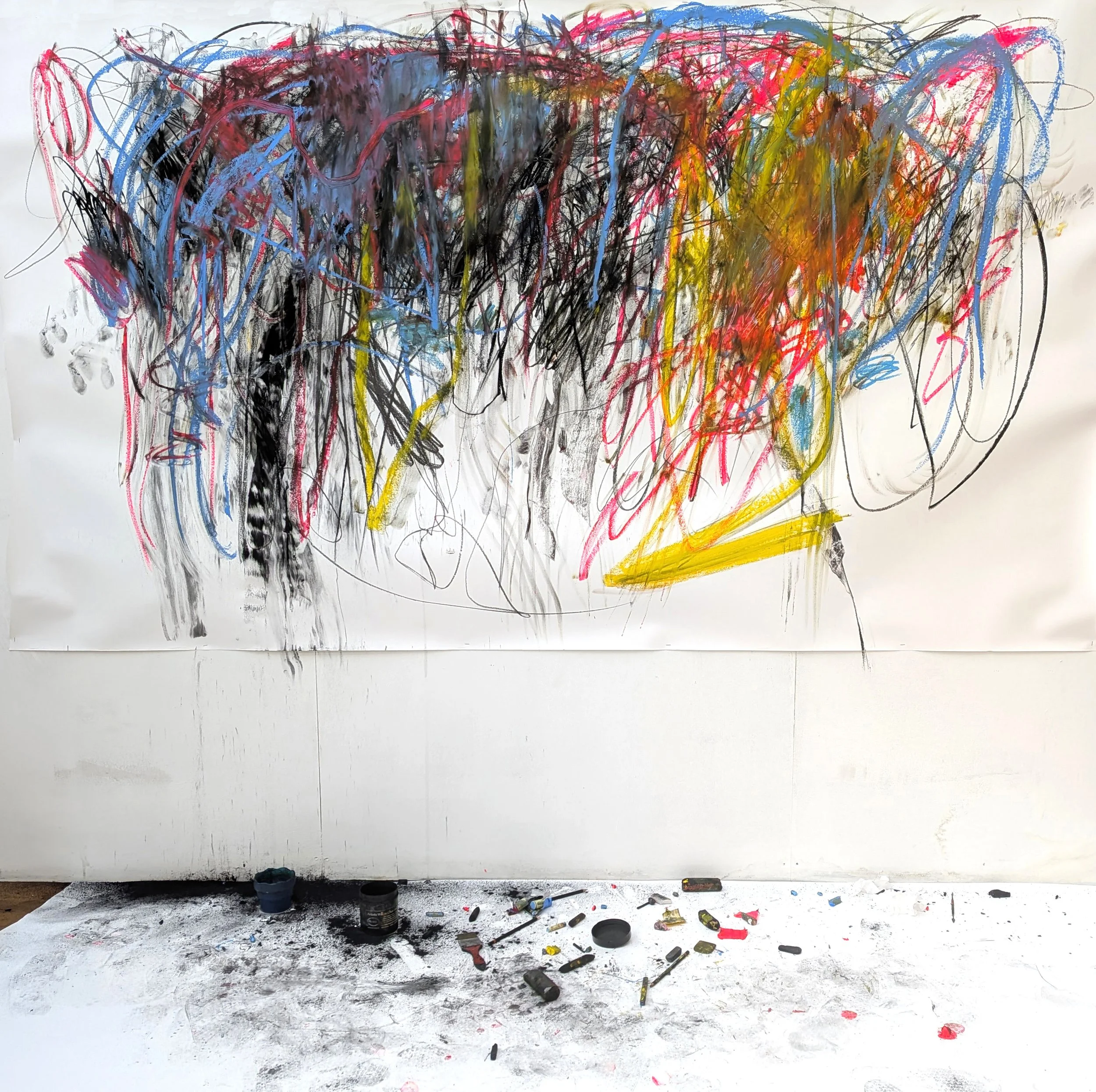
Drawing from film
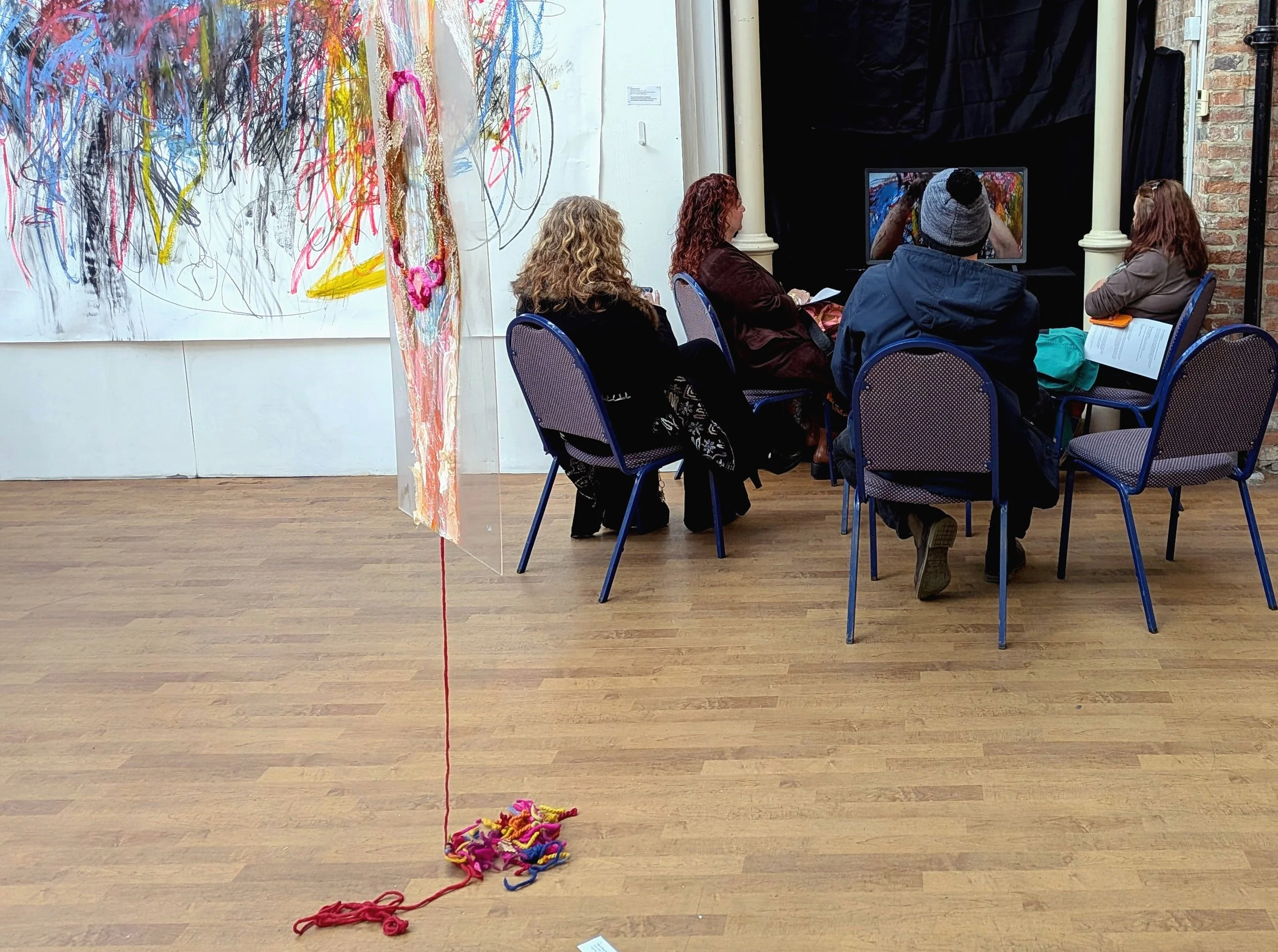
Film showing at exhibition 'On A Scale of One to Ten...' Newark Town Hall, March 2026
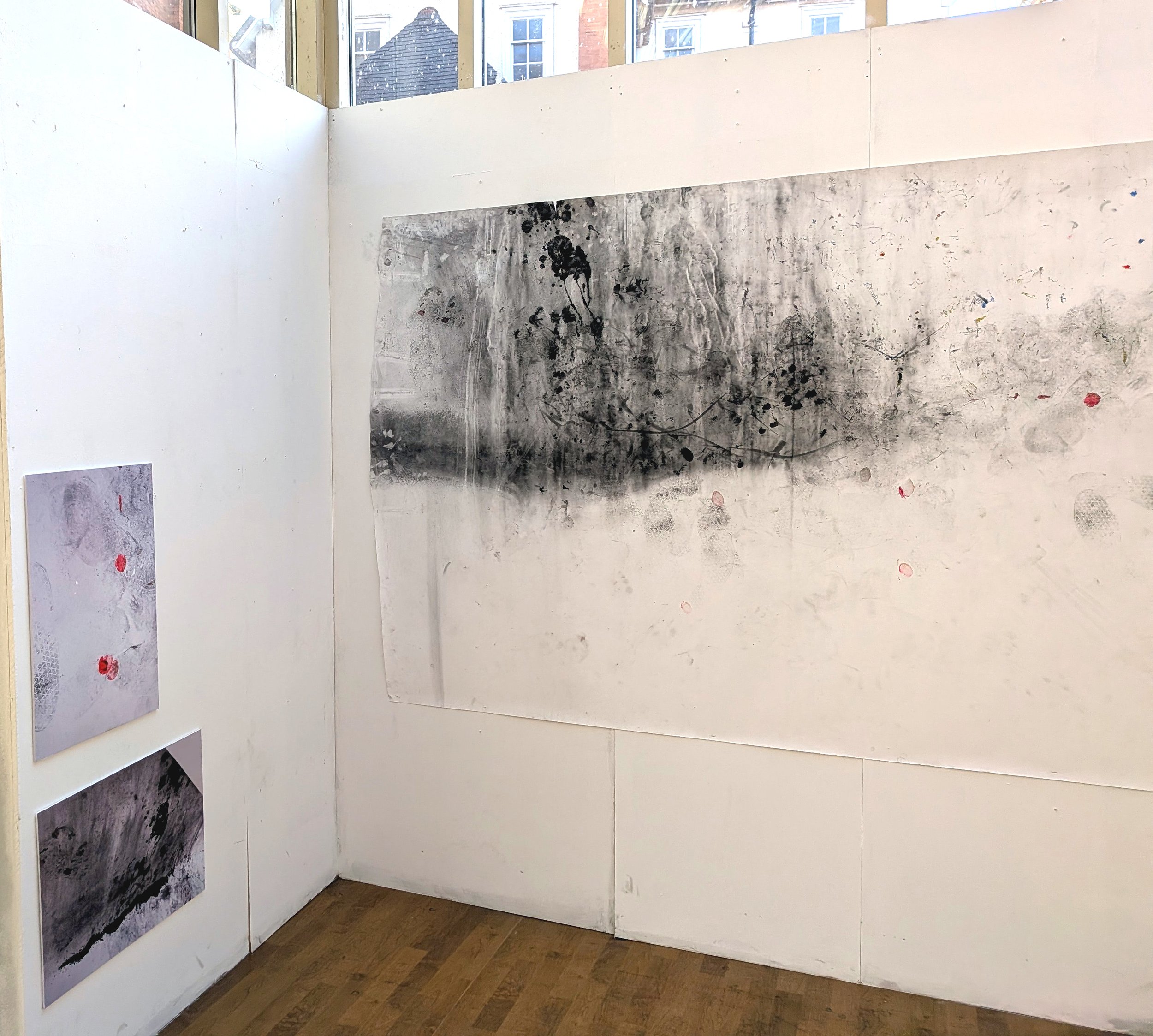
'Recovery Is Never A Straight Line (A)' charcoal and photographic prints
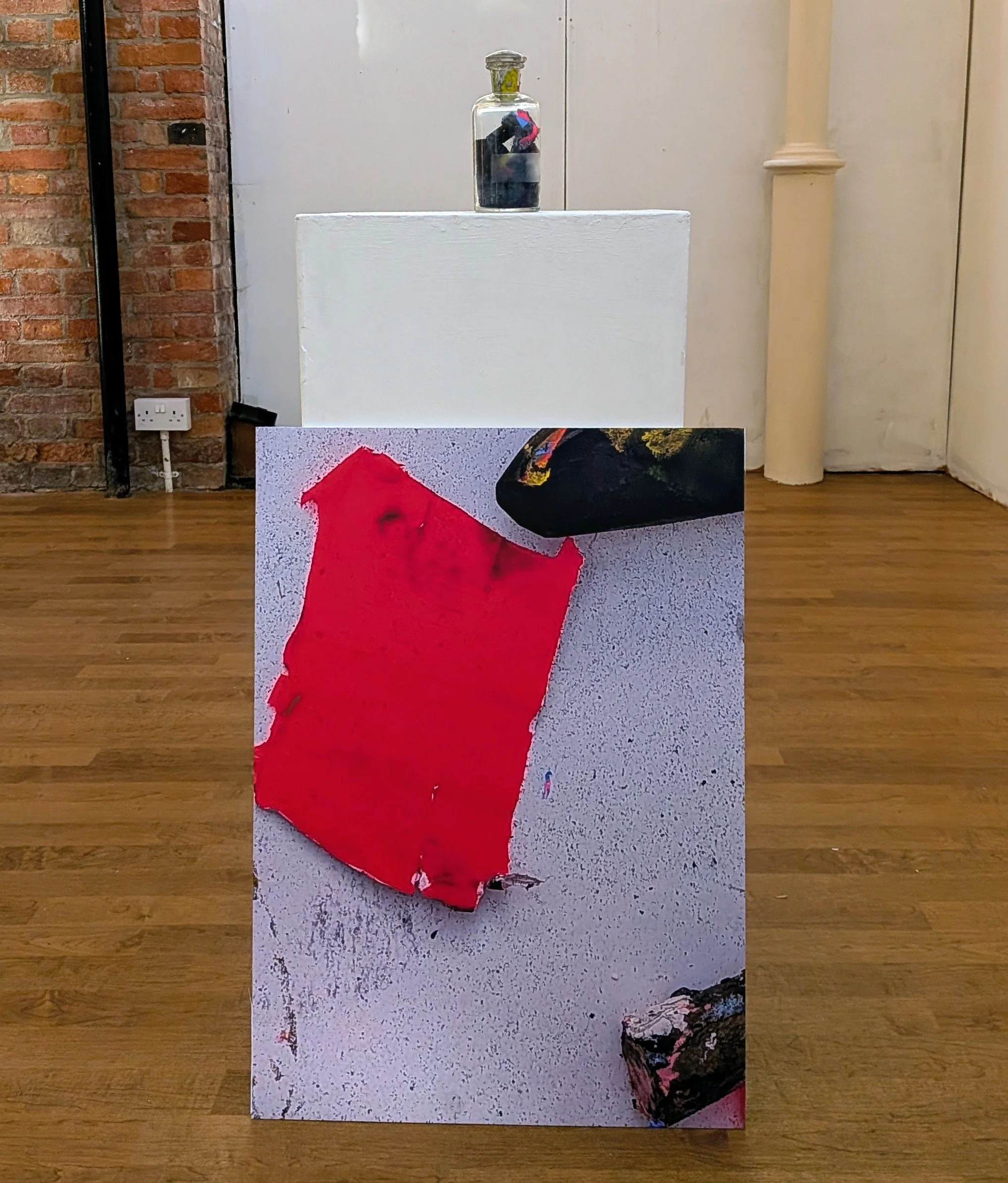
Recovery Is Never A Straight Line (B)
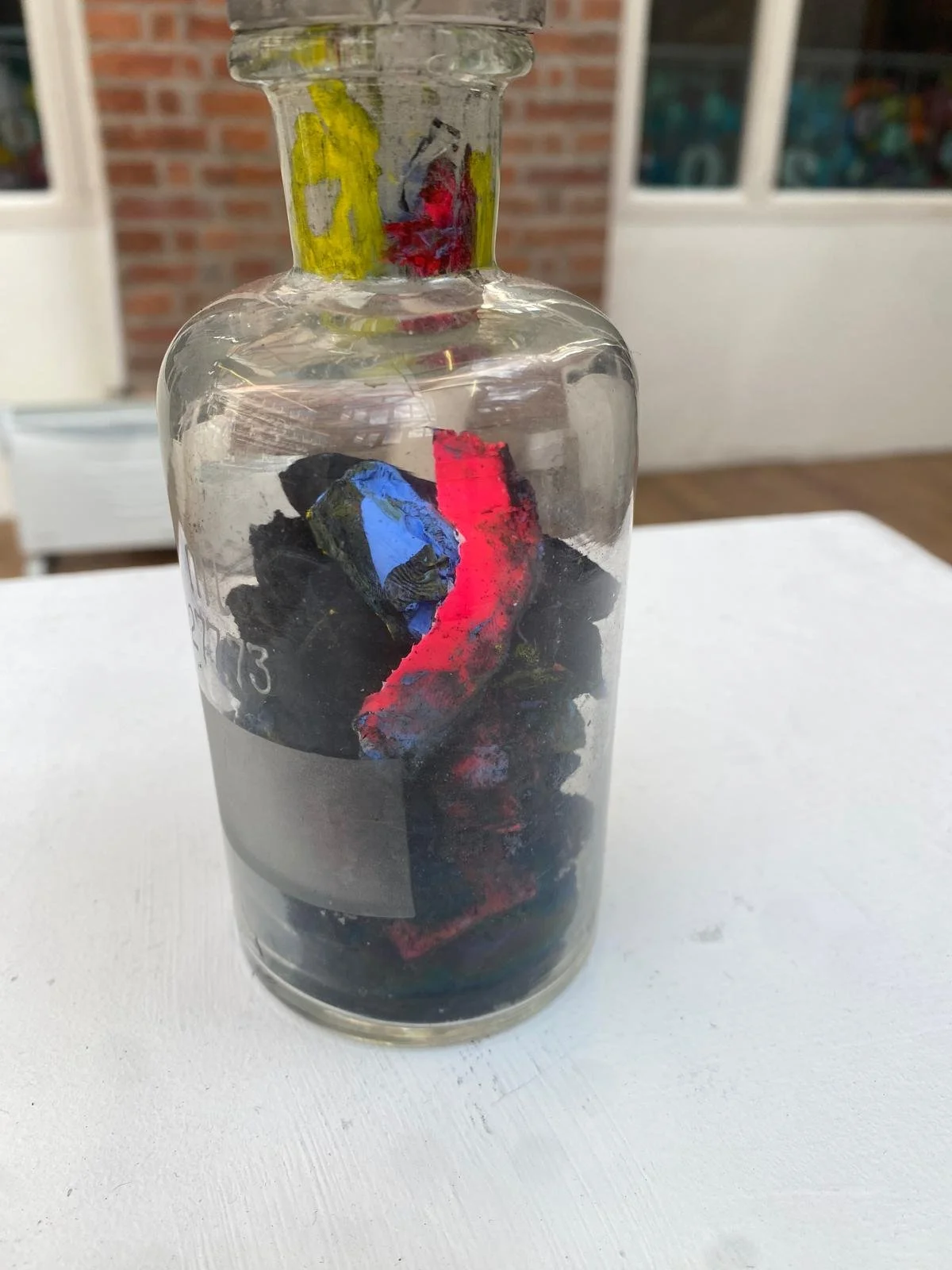
'Recovery Is Never A Straight Line (B)' (detail) medicine jar, charcoal, oilstick wrappers
Breakdown: Translations For the Unsane
This short film presents an audiovisual narration of two people’s differing but relational experiences of mental illness through spoken word and drawing to a descriptive and evocative soundscape of noise, found sounds and rhythms.
Joanna May’s narration revisits one strand of the trauma that led to their breakdown and eventual diagnosis of schizophrenia; their treatment by the conformist colonial society of ‘Rhodesians’ still living in Zimbabwe where they grew up, where “racist hatred extended to anyone who betrayed the path of conservative Christian hetero jockdom.”
In collaboration with Joanna May (narration) @joanna.may.77
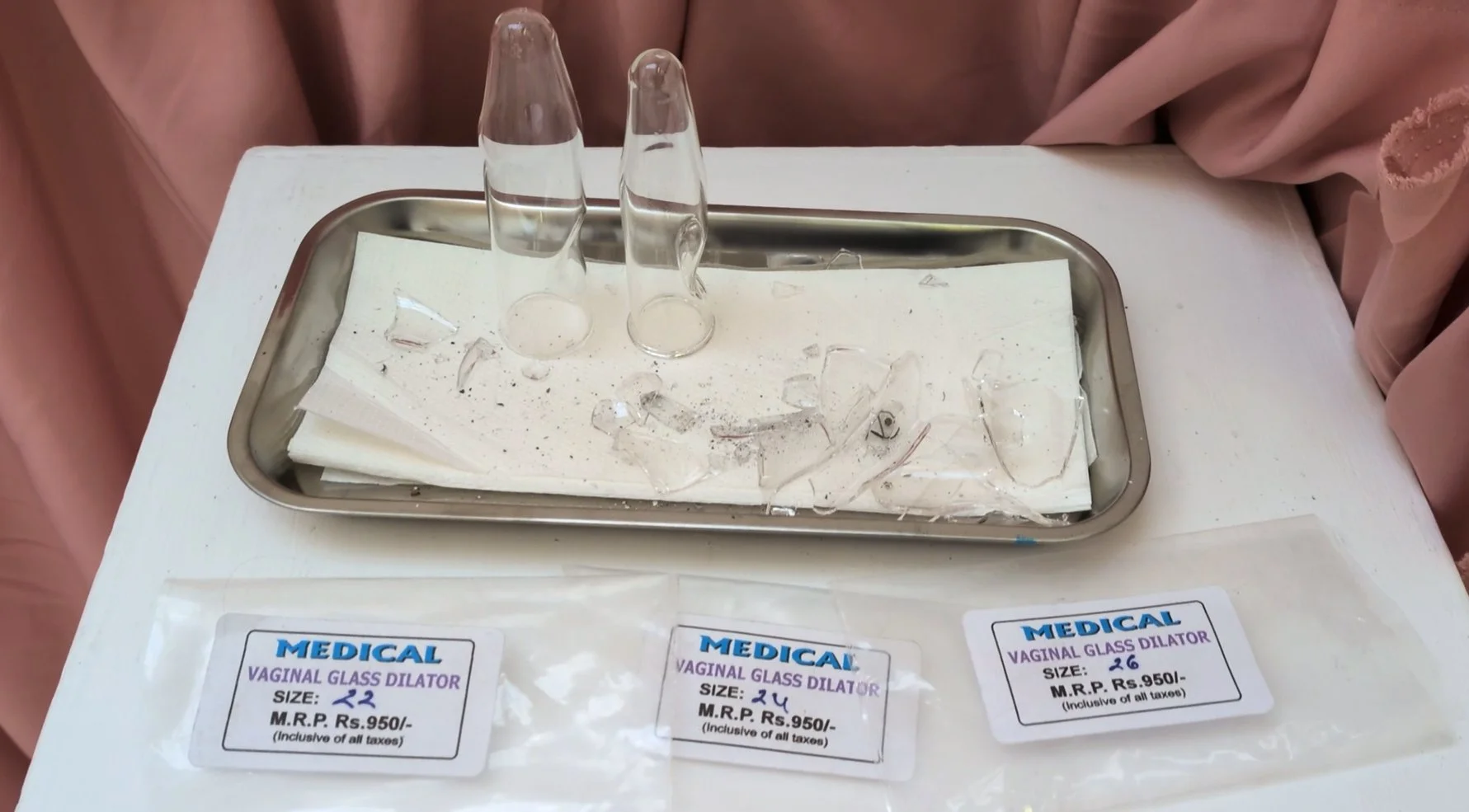
Hole
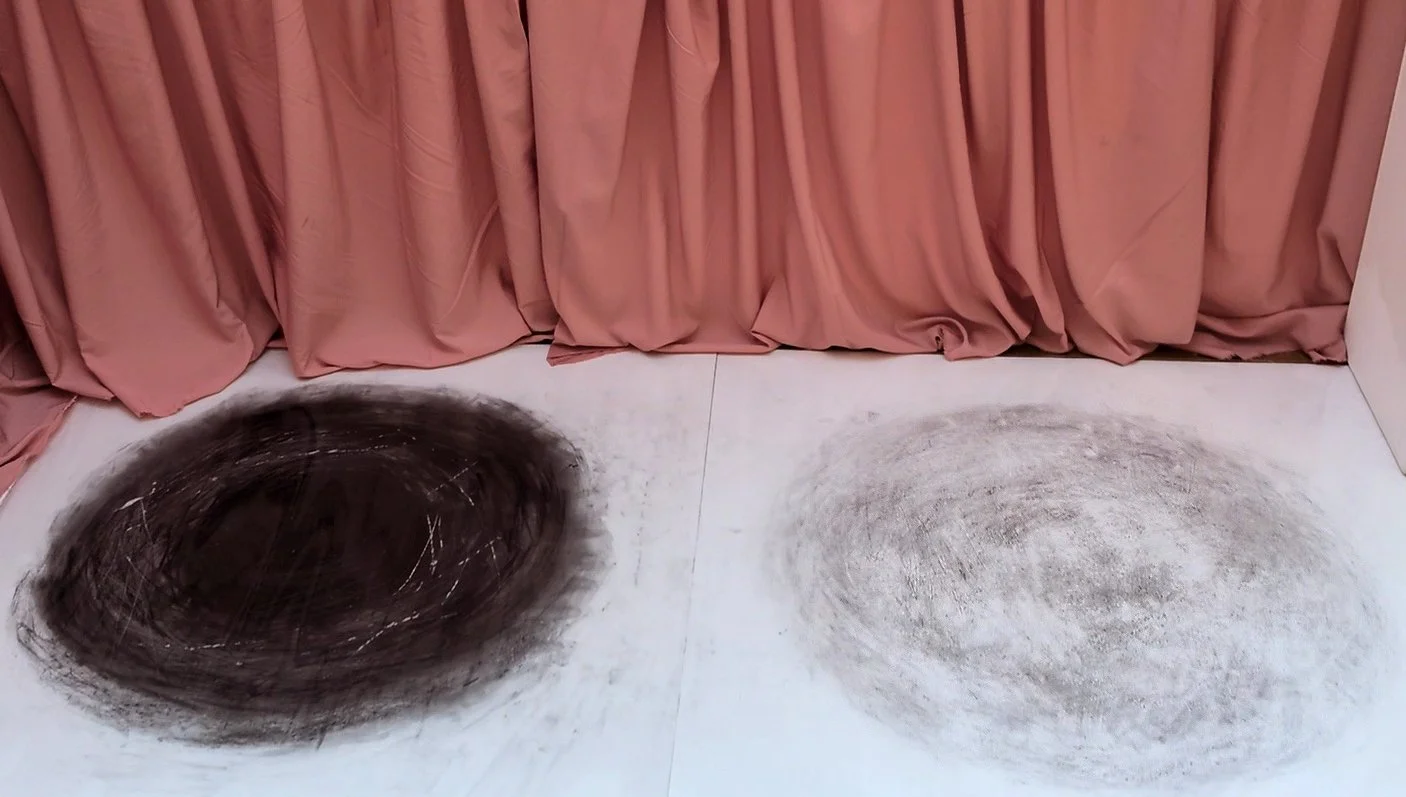
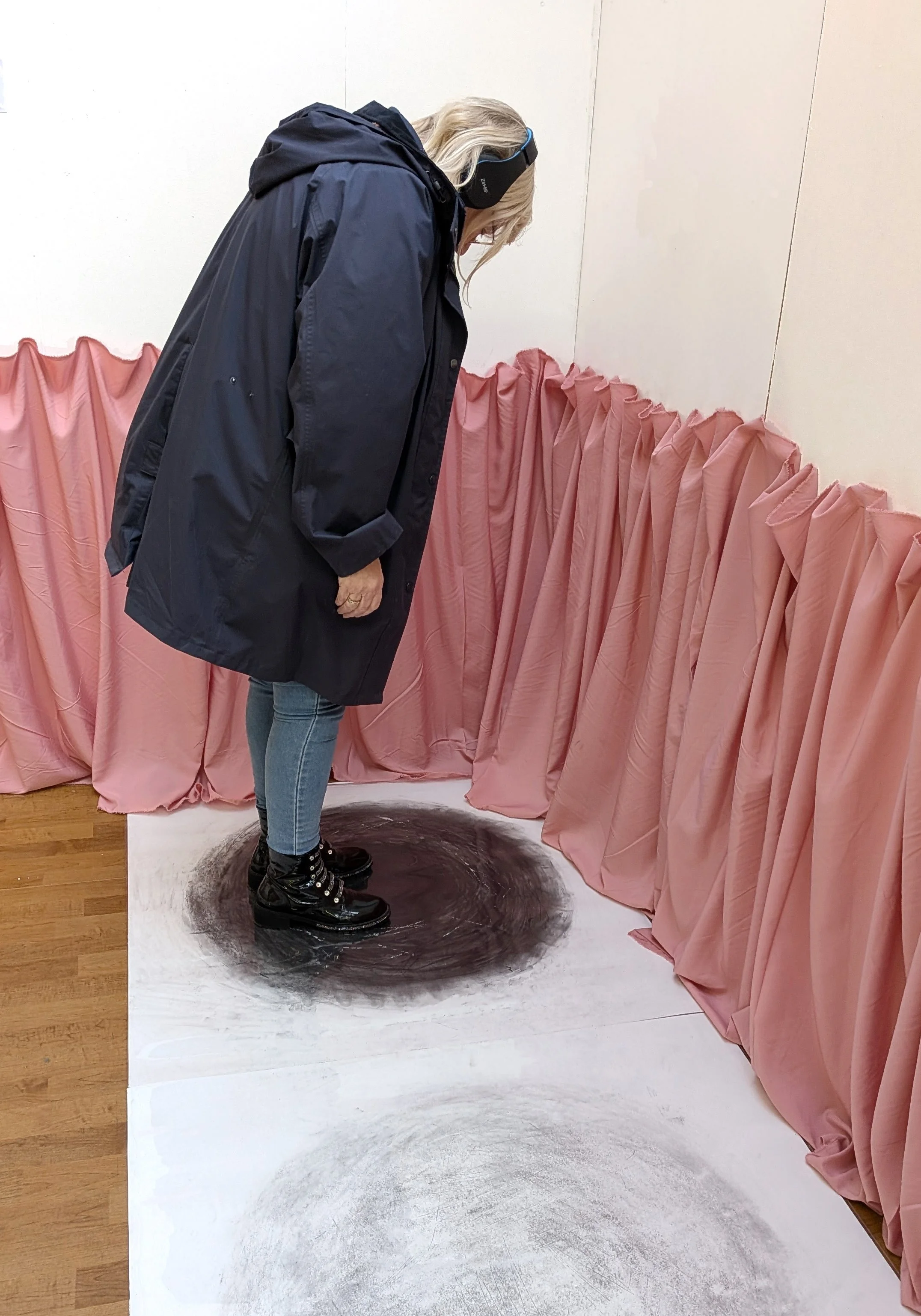
An installation inviting you to follow short audio instructions and hear soundscapes which refer to the drawings on the ground in front of you. This process speaks to the power of art therapy in healing sexual trauma-related psychosomatic pain, in stark contrast to the accompanying rigid acrylic vaginal dilators which were being prescribed as late as 1990.
charcoal, graphite, paper, PVC sheet, polyester, steel surgical tray, vaginal dilators (acrylic)